Have you ever wondered what it takes to secure a work permit in one of Europe’s strongest economies? For qualified professionals, the EU Blue Card is a gateway to opportunities, offering a streamlined process for skilled workers. However, the key to success lies in meticulous preparation.
Ensuring all requirements are met can make or break your application. Missing even a single document could lead to delays or rejection. With an average processing time of over four weeks, it’s crucial to get it right the first time.
This guide will walk you through the essentials, from salary thresholds to academic recognition. Whether you’re an IT professional or seeking family reunification, understanding the visa process is the first step toward your new life in Europe.
Key Takeaways
- The EU Blue Card is a premier work permit for skilled professionals.
- Proper document preparation is critical to avoid delays or rejections.
- Processing typically takes over four weeks after the interview.
- Academic recognition through the anabin database is mandatory.
- Special provisions exist for IT professionals without formal degrees.
- Benefits include family reunification and faster permanent residency.
What is the Blue Card Germany?
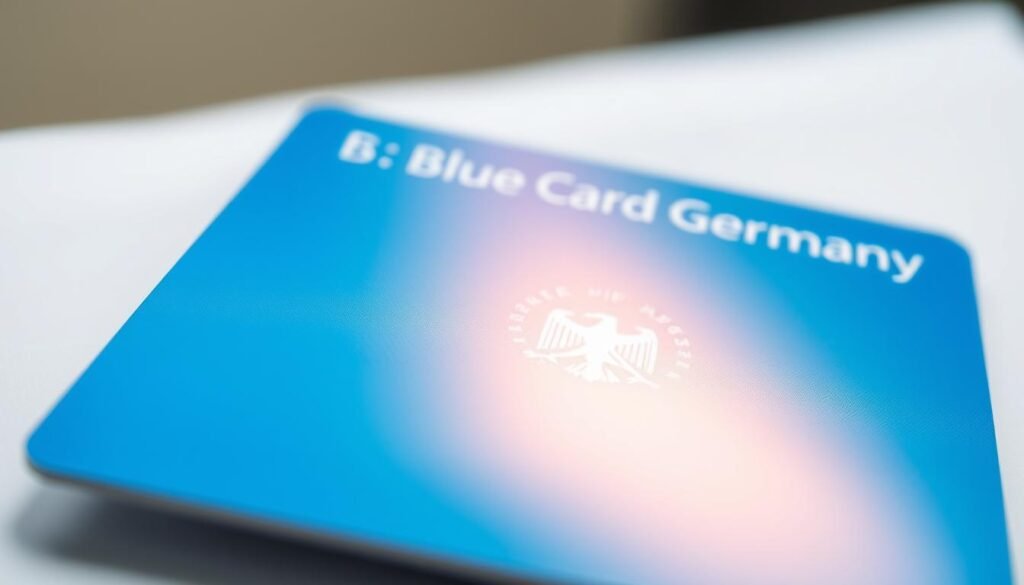
The Blue Card is a highly sought-after work permit for skilled professionals. It is defined under Section 18g of Germany’s Residence Act and offers a streamlined path for qualified individuals to work in Europe. This visa is designed to attract top talent, especially in fields facing labor shortages.
To qualify, applicants must meet specific criteria. One path is through academic qualifications, requiring a recognized degree equivalent to ISCED Level 6. Alternatively, IT professionals with at least three years of experience in the last seven years can also apply, even without a formal degree.
Certain professions, known as bottleneck occupations, have reduced salary thresholds. These include roles in STEM, healthcare, and IT management. For 2025, the standard salary requirement is €48,300, while bottleneck professions require €43,759.80.
Recent graduates, those with less than three years since earning their degree, benefit from lower salary requirements. This provision encourages young professionals to start their careers in Germany. Additionally, the Blue Card offers advantages like family reunification and faster permanent residency.
Compared to Section 18b residence permits, the Blue Card provides more benefits for eligible professionals. Whether you’re a medical doctor, engineer, or IT manager, understanding these qualifications is crucial for a successful application.
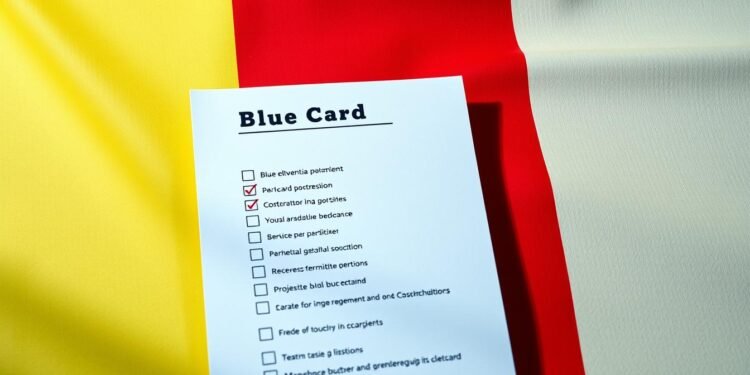
Blue Card Germany Documents Checklist

Preparing the right paperwork is the cornerstone of a successful work permit application. Missing even one item on the list can lead to delays or rejection. To ensure a smooth visa application, here’s what you need to gather.
1. Valid Passport
Your passport must have at least one blank page and remain valid for three months beyond your intended departure date. Include color copies of the data pages and any entry stamps for verification.
2. Job Offer or Employment Contract
A signed employment contract with a minimum duration of six months is required. Ensure it details your position, salary, and job responsibilities. Your employer must also provide the mandatory “Erklärung zum Beschäftigungsverhältnis” form.
3. Academic Qualifications
Foreign degrees must be authenticated through the ZAB certification process. This ensures your certificate meets the required standards. IT professionals without formal degrees can substitute this with three years of relevant experience.
4. Proof of Financial Means
You must demonstrate sufficient funds to cover your stay. This can be shown through a blocked account or a sponsorship letter. The required amount is €45 per day for the duration of your visa application.
5. Health Insurance
Comprehensive health coverage is mandatory. Your insurance must provide at least €30,000 in coverage for the Schengen area. Both public and private insurance plans are acceptable, as long as they meet these standards.
6. Additional Documents
Supplementary materials may include rental agreements, salary slips, and employer liability forms. Non-German documents must be translated and notarized. These extras can strengthen your application and speed up the process.
Additional Considerations for Your Blue Card Application
Navigating the finer details of your work permit application can significantly impact your success. Beyond the essential documents, there are additional factors to consider, such as language proficiency, salary thresholds, and processing timelines. Addressing these elements ensures a smoother and more efficient application process.
Language Requirements
Language proficiency plays a crucial role in your long-term plans. For instance, achieving an A1 level in German is mandatory if you aim to convert your permit into a settlement permit after 27 months. This requirement underscores the importance of integrating language learning into your preparation timeline.
Salary Thresholds
Your employment contract must meet specific salary criteria. For 2025, the standard threshold is €48,300 annually, while bottleneck professions require €43,759.80. If your salary falls below €4,025 per month, approval from the Federal Employment Agency (BA) is mandatory. Staying informed about these thresholds ensures your application aligns with current regulations.
Processing Time and Fees
The procedure typically takes several weeks, depending on the completeness of your submission. Initial application fees are €100, with renewal costs ranging from €93 to €96. For digital submissions, ensure your files do not exceed 100MB. Payment methods include credit card and PayPal, offering flexibility for applicants.
By addressing these considerations, you can streamline your application and avoid unnecessary delays. Whether it’s meeting language goals or understanding salary benchmarks, preparation is key to a successful outcome.
Conclusion
Securing a work permit in Europe can be a game-changer for skilled professionals. The Blue Card offers strategic advantages over standard visas, including faster permanent residency and family reunification. Before submitting your application, double-check all requirements to avoid delays or rejections.
Ensure your document validity aligns with timelines, and utilize resources like BA Welcome Centers for ongoing support. Stay updated on annual threshold changes to meet salary and job criteria. Prepare thoroughly for your interview, and present original documents to streamline the process.
By following these steps, you can maximize your chances of success and unlock new opportunities in Europe. Whether you’re an IT specialist or a healthcare professional, the Blue Card is your gateway to a thriving career.
FAQ
What is the Blue Card Germany?
The Blue Card Germany is a residence permit for highly skilled non-EU nationals, allowing them to work and live in the country. It requires a valid job offer, academic qualifications, and meeting specific salary thresholds.
What documents are needed for the Blue Card application?
You’ll need a valid passport, a job offer or employment contract, academic qualifications, proof of financial means, health insurance, and additional documents like a clean criminal record.
Is a job offer required for the Blue Card?
Yes, a job offer or signed employment contract from a German employer is mandatory. The position must match your qualifications and meet the salary requirements.
Are there language requirements for the Blue Card?
While German language skills are not mandatory for the application, knowing the language can be beneficial for integration and certain job roles.
What is the salary threshold for the Blue Card?
The salary must meet the minimum threshold set by the German government, which varies by profession. For 2023, it’s €58,400 annually, or €45,552 for in-demand occupations.
How long does the application process take?
The processing time typically ranges from 4 to 6 weeks, but it can vary depending on the completeness of your documents and the workload of the immigration office.
Can family members join me on a Blue Card?
Yes, your spouse and children can apply for family reunification visas to join you in Germany, provided you meet the necessary requirements.
Do I need health insurance for the Blue Card?
Yes, proof of valid health insurance coverage is required as part of the application process.
Can I change jobs after receiving the Blue Card?
Yes, but you must inform the immigration office and ensure the new job meets the Blue Card requirements, including the salary threshold.
What happens if my academic qualifications are not recognized in Germany?
You may need to undergo an equivalence assessment to prove your degree meets German standards. This process can be done through the Central Office for Foreign Education (ZAB).